Projects
Cloud Infrastructure & Systems Engineering
A selection of cloud engineering projects spanning infrastructure, automation, cost analytics, reporting, and reliability.
Cloud Architecture & Infrastructure
The Cloud Resume Challenge (Azure Edition)
I built this portfolio for the Cloud Resume Challenge to treat my personal resume site like enterprise infrastructure.
View Project Details & Stack Breakdown
- Infrastructure: 100% defined and deployed using Terraform modules.
- Frontend: Static site hosted in Azure Blob Storage with Cloudflare edge routing.
- Backend: Serverless PowerShell Azure Function backed by Cosmos DB for a live visitor counter.
- CI/CD: Automated plan and deployment workflows via GitHub Actions.
Ready to see the deployment? View the cloud-hosted version of my Resume →
Want to review the code? Check out the public GitHub Repository →
Looking for a deep dive? For a complete look at the underlying architecture, cost-management decisions, and pipeline configurations, explore the full Technical Case Study →
Cloud Cost Analytics & Reporting
GCP Billing Analytics Dashboard
I built a GCP billing analytics project that uses synthesized cloud expense data in BigQuery to power Data Studio (Looker Studio) dashboards for real-world cost reports.
This project mirrors a real cost-reporting scenario I solved at a previous employer. Executives, dev managers, and ops teams needed self-service visibility into monthly cloud spend without being granted direct access to the billing account portal.
I believe in making other people's jobs easier. I'm willing to do a little extra work up front if it gives others the tools and visibility they need to move faster.
View Project Details
Why this project matters: Cloud cost data is useful when it is organized and presented in a way that users can actually consume. This project shows how raw billing exports can be transformed into self-service dashboards that help teams understand spending, make better decisions, and reduce the reporting burden on finance and cloud administrators.
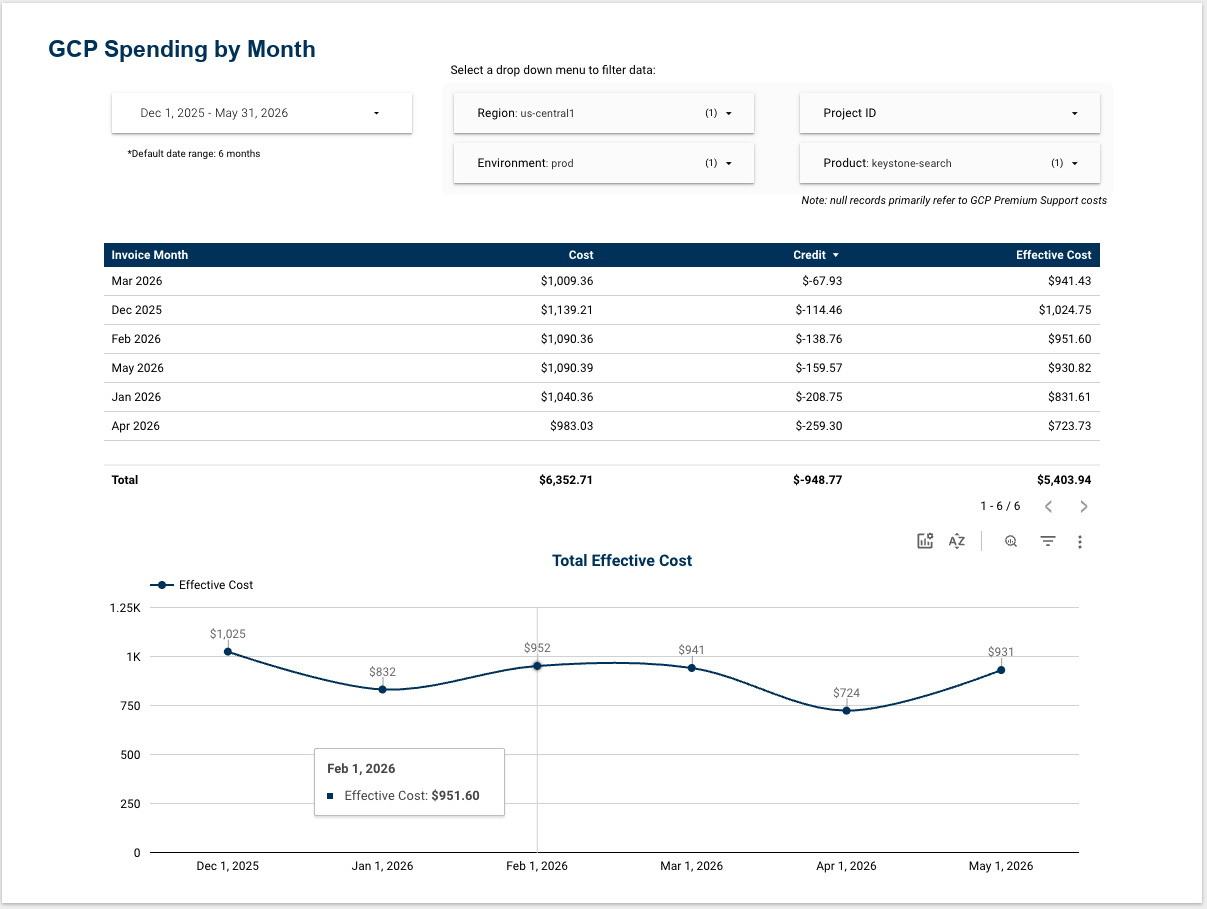
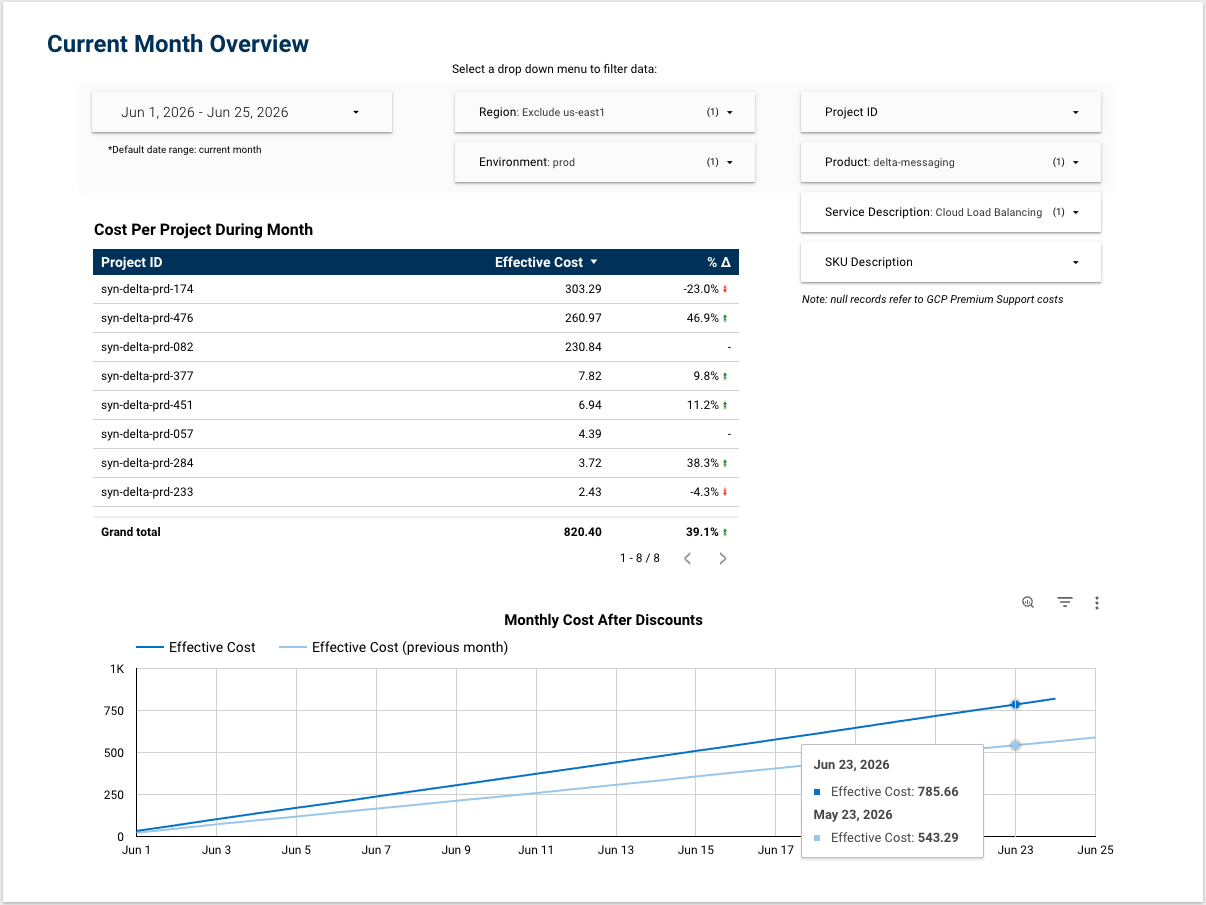
Looking for the full walkthrough? Explore the complete Reporting Case Study →
AI-Native Engineering
War: The Card Game
I completed an AI-Native Engineering Challenge by using Codex as an engineering agent to build a playable browser version of War. I used the AI tool to drive the entire project, moving systematically from the initial requirements through implementation, verification, documentation, and the final retrospective.
The purpose of the project was not just to make a card game. It was to practice an AI-native software development lifecycle. This involved translating rules into a specification, planning the architecture, and separating game logic from the UI, while also writing deterministic tests, iterating from browser feedback, and capturing lessons learned.
View Project Details
What I used Codex for: Repository inspection, rule interpretation, implementation, unit tests, UI iteration, documentation, browser verification, and retrospective notes.
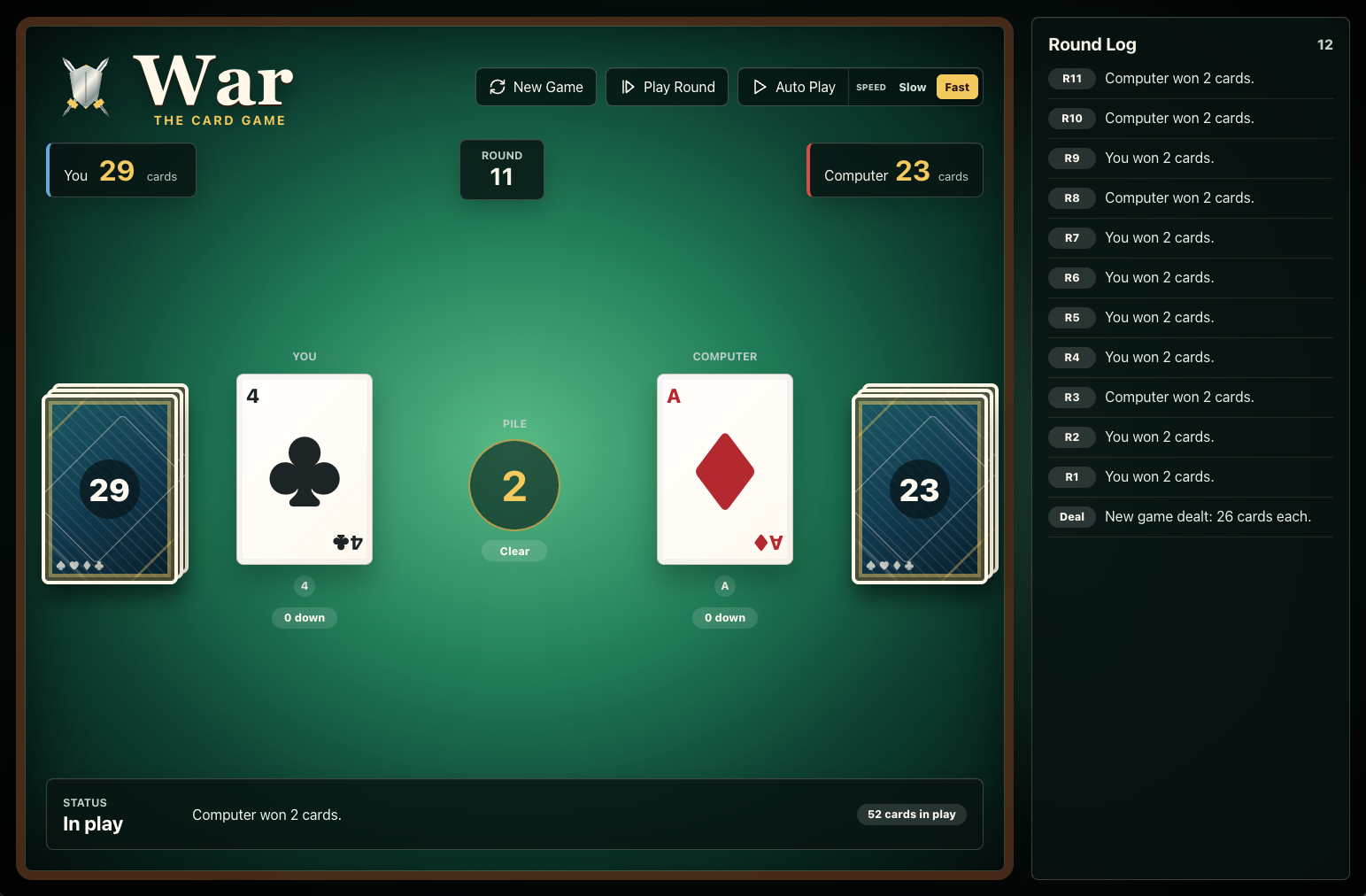
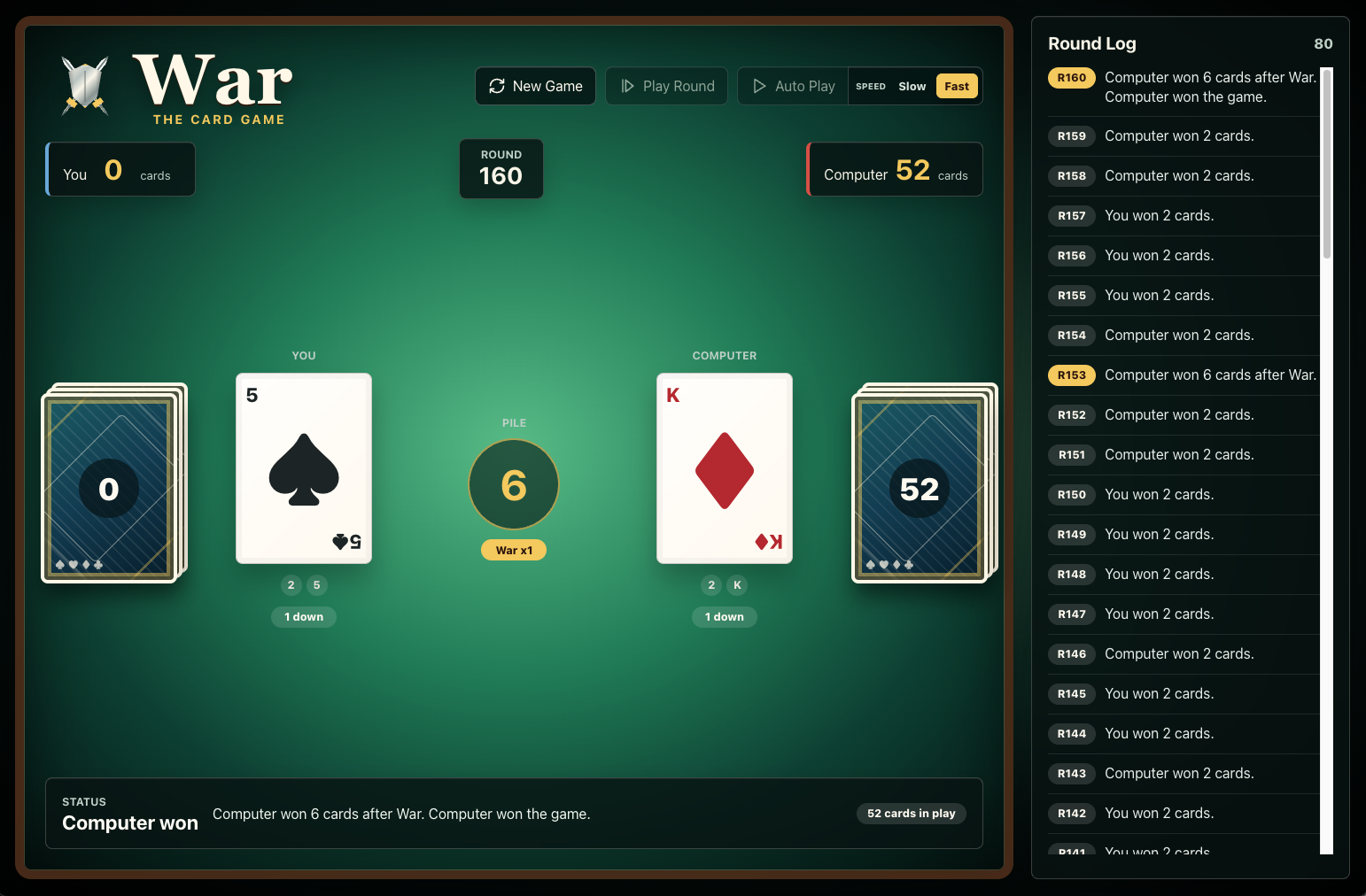
Ready to play? Launch War: The Card Game →